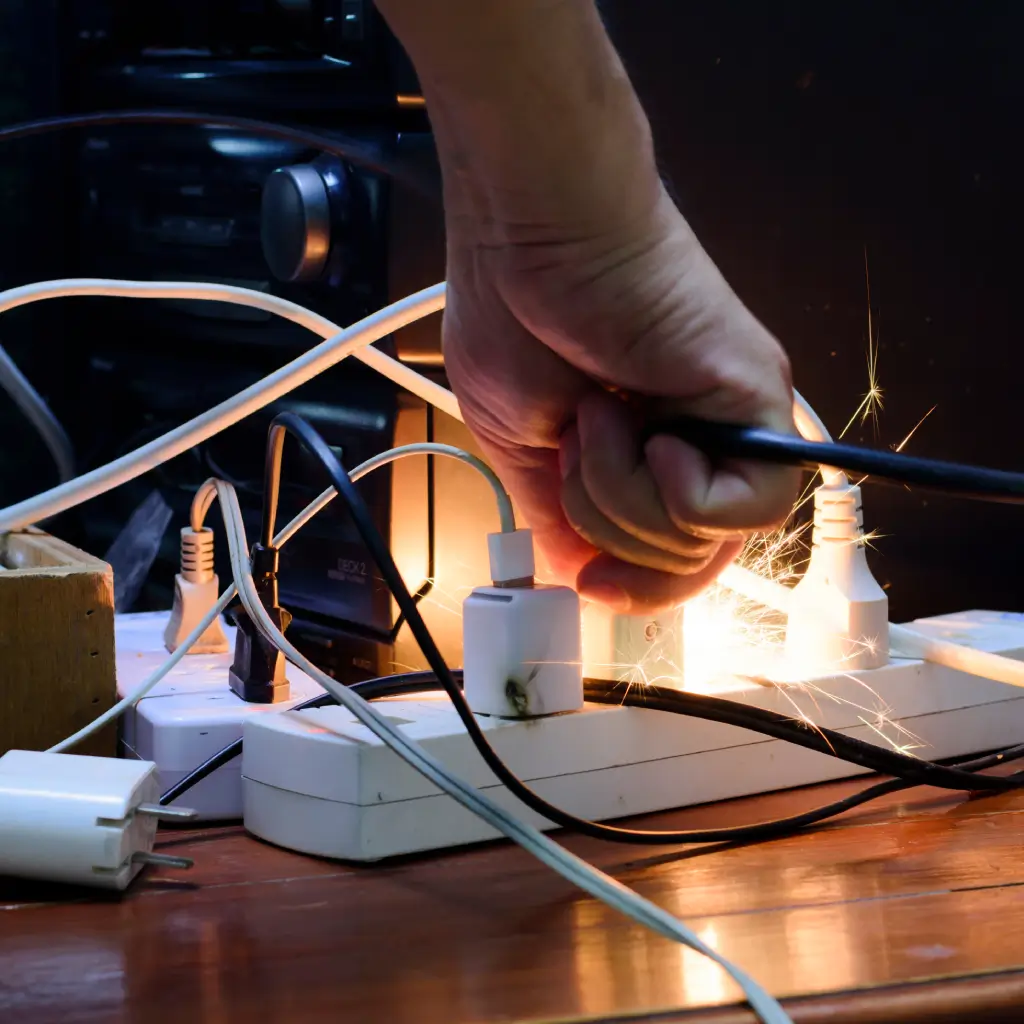
Cheng Seng Electric Website

Why the 30mA Rating in Residual Current Circuit Breakers (RCCBs) is Crucial for Electrical Safety

Introduction Electrical safety is paramount in homes, businesses, and industrial facilities. Residual Current Circuit Breakers (RCCBs) are essential safety devices designed to detect leakage currents (ground faults) and instantly disconnect power, preventing electric shocks and reducing fire hazards. Among the various RCCB ratings, 30mA RCCBs are particularly crucial in human-centric environments where electrical safety is a top priority. This blog explores their importance, operational principles, and key applications. How RCCBs Work RCCBs continuously monitor the balance of electrical current between the live and neutral conductors in a circuit. Under normal conditions, the current flow in both conductors is equal. If there is a leakage current, it indicates electricity escaping the circuit—potentially through a human body or faulty insulation—posing a serious hazard. Detection & Tripping Mechanism: To comply with BS EN 61008-1, RCCBs must trip within 40 milliseconds when exposed to a leakage current of 5 times their nominal rating (150mA for a 30mA RCCB). This rapid disconnection prevents serious injuries and potential fire hazards. Why the 30mA RCCB Rating is Critical Common Applications: Common Commercial & Industrial Applications: Key Applications of 30mA RCCBs The Future of RCCB Technology As electrical safety continues to evolve, upcoming innovations include: Conclusion: Why You Need 30mA RCCBs The 30mA RCCB is an essential component in modern electrical systems, ensuring: At CSE, we specialize in installing, maintaining, and optimizing RCCB systems to ensure maximum protection for homes, businesses, and industrial facilities. ⚡ Need expert advice on electrical safety? Contact us today! ⚡ References: Residual Current Circuit Breaker Market Size and Forecast: https://www.credenceresearch.com/report/residual-current-circuit-breaker-market Modular RCCB: Flexible Electrical Safety: https://www.cje-group.com/news/modular-rccb-flexible-electrical-safety/ Ensuring Sensitivity and Selectivity in RCCB Performance: https://www.intelligent-power-today.com/ground-fault-protection/rccbs/ensuring-sensitivity-selectivity-rccb-performance Understanding RCCBs & Their Importance: https://www.geya.net/rccb-selection-guide-for-electrical-professionals-standards-types-applications/ Effects of Electrical Current on the Human Body: https://www.tuv.com/content-media-files/usa/pdfs/1020-field-evaluation-service-(fes)-for-u.s.-and-canada/tuv_rheinland_02_effects_of_electrical_current_in_human_body.pdf

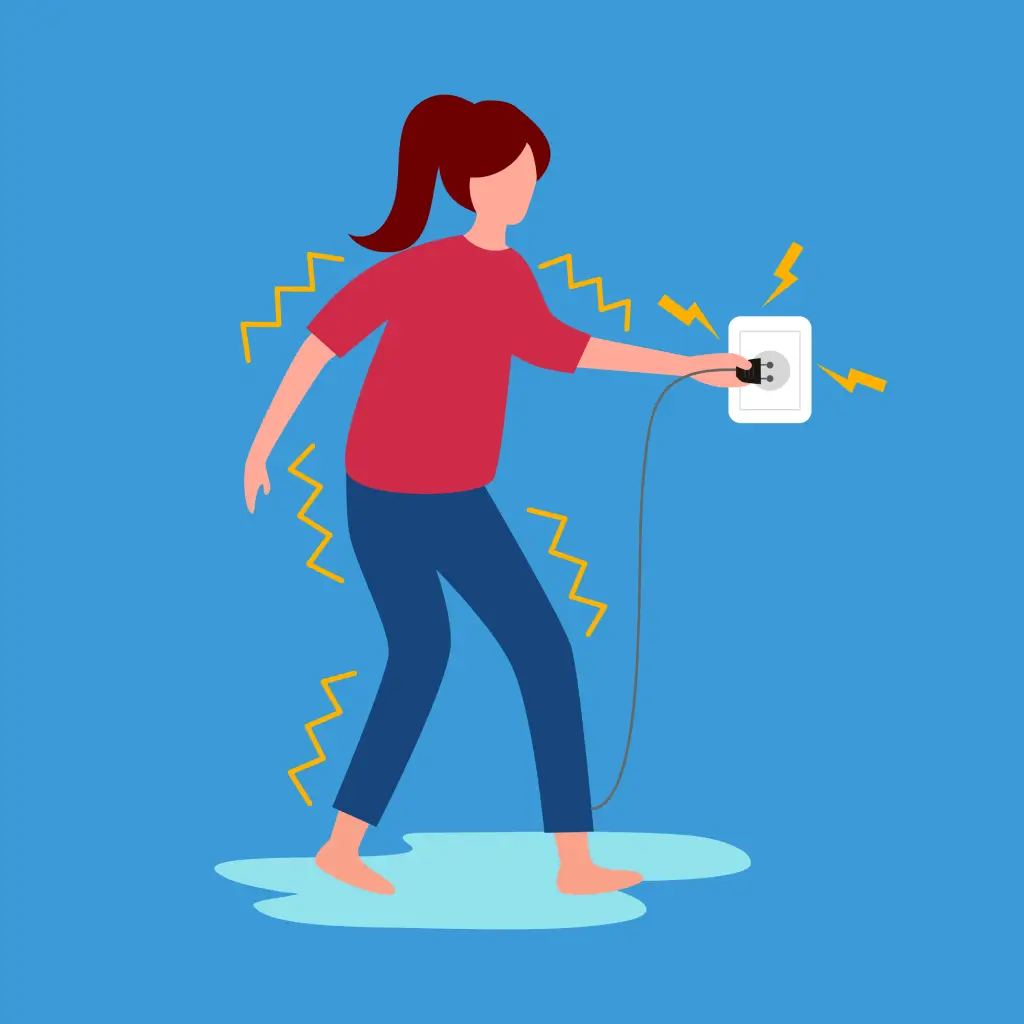
Electrical Safety in Singapore: Lessons from Past Incidents and Prevention Strategies

Introduction Electrical safety is a critical concern in Singapore, where electrical accidents—including electrocutions and electrical fires—have led to fatalities and significant property damage. Despite strict regulations and advanced infrastructure, incidents continue to highlight gaps in safety compliance and public awareness.​ In this article, we examine notable electrical incidents, explore common causes of electrical hazards, and discuss preventative strategies to enhance electrical safety across homes, businesses, and critical infrastructure. The Reality of Electrical Accidents in Singapore Electrocution Incidents: A Preventable Tragedy Between 2014 and 2021, Singapore recorded four electrocution incidents in Housing and Development Board (HDB) flats, resulting in five fatalities and one injury. A common factor in these cases was the absence of Residual Current Circuit Breakers (RCCBs), essential safety devices that cut off electricity supply upon detecting current leakages, thereby preventing electric shocks. ​ema.gov.sg Case Study: December 2020 Electrocution Incident In December 2020, three family members were tragically electrocuted in their HDB flat due to an improperly installed water heater. Instead of being connected via a double-pole switch, the heater was plugged into a three-pin socket, which failed to provide adequate protection against electric shock.​ Key Lesson: Always engage a Licensed Electrical Worker (LEW) for electrical installations. DIY electrical work can have fatal consequences. Electrical Fires: A Growing Concern Electrical fires remain a leading cause of household fires in Singapore.​ Electrical Fire Statistics in Singapore: Common Causes of Electrical Fires: Regulations and Safety Measures: What You Need to Know Singapore has implemented stringent electrical safety regulations to mitigate risks. Here are key measures homeowners and businesses must comply with: The Electricity (Electrical Installations) Regulations mandate that all electrical installations adhere to Singapore Standard SS 638: 2018, ensuring electrical systems are designed, installed, and maintained safely. Lessons from Notable Electrical Incidents Beyond household accidents, large-scale electrical failures can have major economic and operational consequences. Case Study: SGX Power Outage (November 2014) On November 5, 2014, a lightning strike caused voltage fluctuations, leading to a major Singapore Stock Exchange (SGX) outage:​ Key Findings: Lesson Learned: Regular system maintenance, redundancy planning, and risk assessments are essential to prevent large-scale electrical failures.